







What the Oklahoma Fraud and Ticketing Accountability Act Does
The Oklahoma Fraud and Ticketing Accountability Act provides a budget-neutral framework to restore fairness and transparency in ticketing while preserving venue and artist rights:
-
Sellers and resellers must disclose the full, itemized price at the time of listing and again before final purchase, along with seat location and basic seller identity information.
-
Bars the use or sale of bots to purchase tickets, bypass purchase limits, or circumvent queues, presale codes, and other access controls.
-
Resale platforms must require sellers to certify that they actually possess the tickets they’re listing and didn’t obtain them by bot, and must remove speculative or bot-acquired listings within 24 hours, maintain a public complaint mechanism, and report bad actors to the Attorney General.
-
Resellers may only sell tickets they actually own. Duplicate ticket sales are banned.
-
Tickets may not be resold before they’re offered for initial public sale.
-
Venues can limit transferability, enforce conduct policies, and manage purchase limits.
-
Secondary sales are capped at 120% of the original ticket’s total price to prevent predatory markups, with exemptions for large venues (over 7,000-seat capacity) and nonprofit fundraising events.
-
Full refunds are required for canceled events, counterfeit or invalid tickets, tickets that don’t match their description, or tickets never delivered.
-
Misrepresentation of affiliation, unauthorized use of artist or venue branding, and misleading commercial representations are all prohibited.
-
Violations are treated as unfair or deceptive trade practices under the Oklahoma Consumer Protection Act, and any aggrieved Oklahoman may bring a civil action.
-
Sports events are excluded.
This legislation protects Oklahomans from bots, foreign bad actors, and sellers who never owned what they sold in the first place. It protects Oklahoma venues from having to do damage-control and reputation management around harm they did not cause, and levels the playing field for fans who genuinely need to offload a ticket for a show they can no longer attend vs. predatory resellers looking to cash in.






-
Bipartisan Legislators Say Ticket Bots Are Pricing Fans Out
This National Conference of State Legislators Article shows that there is strong support for consumer protections on both sides of the aisle. Both legislators framed their proposals not as an attempt to control markets wholesale, but as a response to conduct they say distorts those markets and misleads the public.
Mark Hiner, Ohio (R) has concerns for consumers, saying bots create “an artificial competition that a consumer just can’t win.” Because automated systems can buy tickets in bulk at high speed, he says, “an individual buyer just cannot get in and compete.”
-
Read KFOR's Article About the Oklahoma Fraud and Ticketing Accountability Act
Bill in OK Legislature seeks to help with online ticket bot problem
A push to protect those who love attending live entertainment is making its way to the Senate floor at the state capitol. The bill aims to prevent online ticket gouging, the use of bots to buy mass quantities of tickets, and reselling them at inflated prices.
-

How to Save Audiences $11 Billion on Live Events
Live events are a central part of America’s common culture and should be available to every American at affordable prices. Unfortunately, prices for events are increasingly becoming unaffordable due to middlemen who contribute nothing to the actual production of events.
This paper proposes that policymakers solve these two problems with (1) a simple bright-line ban on reselling tickets above face value and (2) a 10-percent cap on processing fees charged by the online ticketing platforms.
-
Independent venues urge US attorneys general to crack down on fake artist websites run by ticket touts
US venue organization NIVA has found thousands of misleading websites and URLS which are used by touts to trick consumers into thinking they are buying tickets from official sellers rather than unofficial resellers.
-
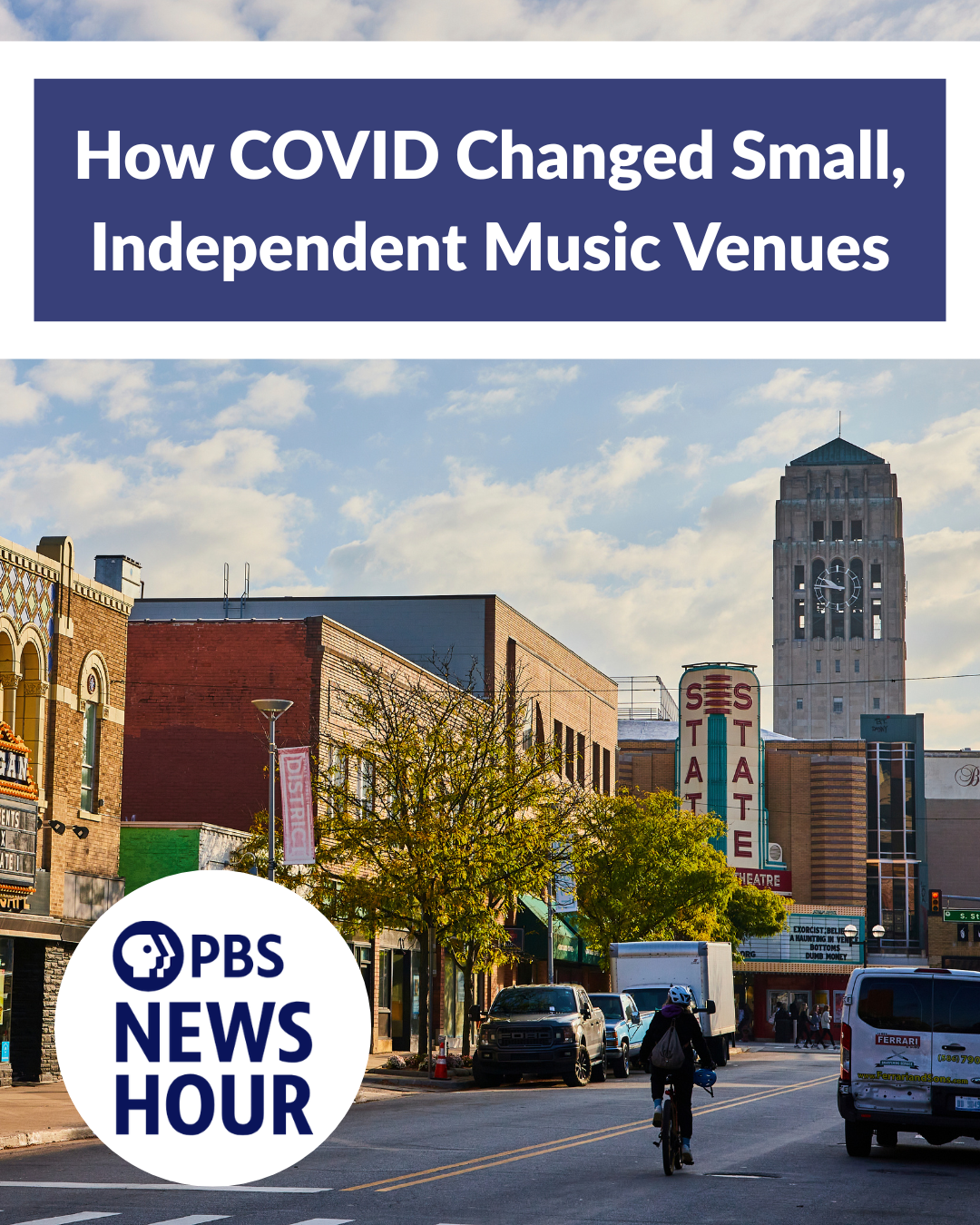
How COVID Changed Small, Independent Music Venues
The Atlantis, a brand new small music venue opened the summer of 2023 in Washington D.C to immense excitement. That excitement would have seemed unthinkable three years ago, when COVID shutdowns rocked live music venues across the nation. Hit the hardest were smaller, independent venues, who were already facing high costs and corporate competition.
-
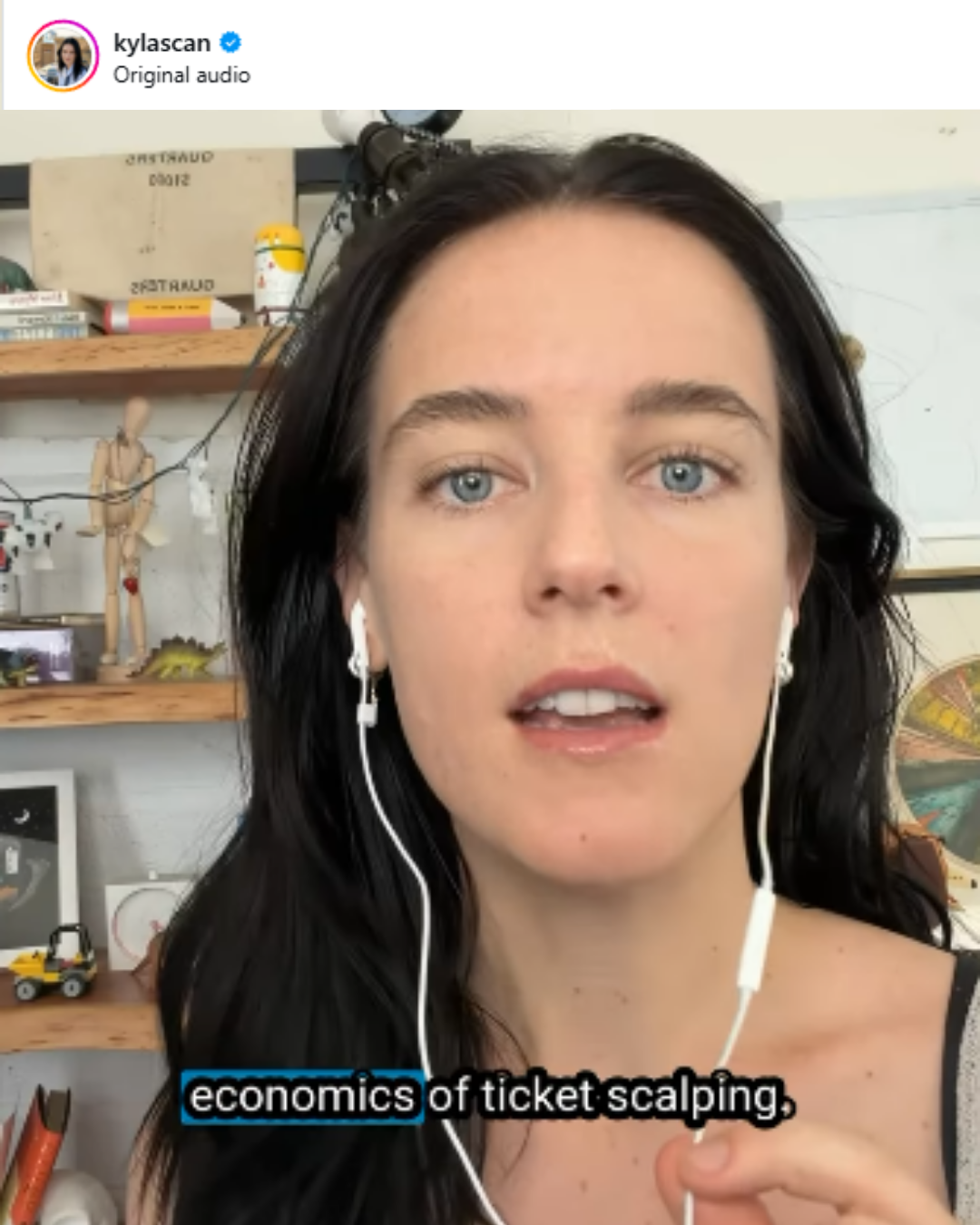
Kyla Scanlon, Economist Breaksdown Economic Impact of Ticket Scalping
Fans are losing $11 billion every year to middleman markups and ticketing platform fees, money that never touches the artists or the production. Watch Kyla Scanlon explain the hidden economics behind ticket gouging and the proof that these companies can still survive with capped fees.
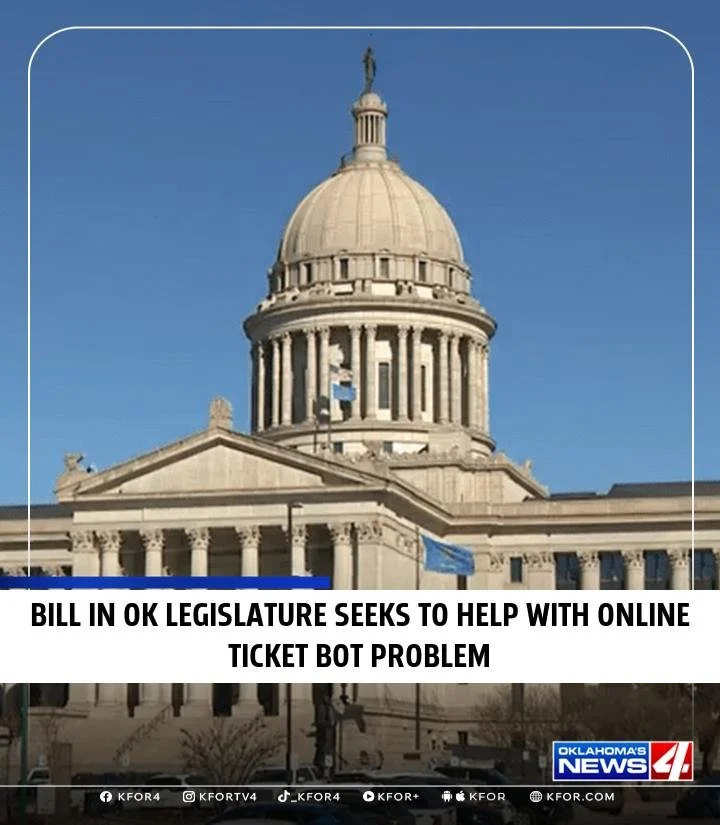
KFOR News Broadcast
Bill Would Protect Oklahomans from Ticket Bots
KFOR highlights OFTA’s ongoing legislative efforts to combat automated online ticket bots and protect Oklahoma consumers from predatory resale practices. Featuring commentary from state lawmakers and venue representatives, the segment illustrates how automated software inflates ticket prices and locks out real fans.